

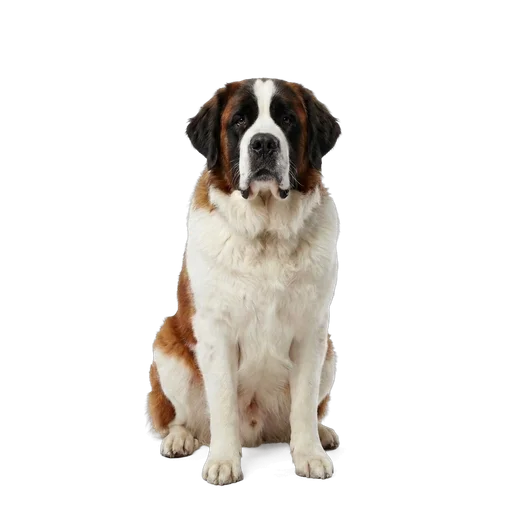
Origin: Switzerland
Saint Bernard
Get reminders for your Saint Bernard's vaccines
Vaccination and parasite reminders, food-safety scans and health records — free to start in the Pethls app.


Good for
The Saint Bernard is the classic gentle giant, a Swiss mountain dog bred to find and warm travelers lost in Alpine snow. Males routinely weigh 64 to 82 kg, yet the temperament inside that huge frame is soft, patient, and slow to anger. They are calm indoors and famously tolerant of children, which is a big part of their appeal to families with room to spare. Two things every prospective owner should know up front: they drool, and they feel the heat badly. If you can live with a wet chin towel by the door and a plan for hot afternoons, few breeds are more affectionate.
Temperament & personality
Saints are steady dogs. They tend to move through the house at a walk, settle in whatever room the family is in, and watch everything with a mild, unbothered expression. That calm is not laziness so much as a high startle threshold. It takes a lot to rattle a well-raised Saint Bernard, which is exactly why they earned a reputation as nursemaid dogs around children.
They are people-focused to a fault. A Saint left alone in the yard for long stretches becomes bored and sometimes destructive, not out of spite but because the whole point of the breed is companionship. Expect a dog that wants to be underfoot, leaning on your leg, following you room to room.
Socialize early and keep it up. A 70kg-plus dog that jumps on visitors or drags you toward other dogs is a genuine problem, so the manners you want at two years old need to be taught while the puppy is still small enough to correct gently. They respond well to calm, consistent handling and shut down under harsh methods.
With other pets they are usually easygoing, especially if raised alongside them. Their size means supervision around small dogs and cats is sensible, not because Saints are aggressive but because an accidental step or a clumsy play-bow lands hard.
Vaccination schedule
Saint Bernard puppies follow the standard core vaccine plan. The DHPP combination shot (distemper, hepatitis/adenovirus, parvovirus, and parainfluenza) starts at 6 to 8 weeks, then repeats every 3 to 4 weeks until the puppy is at least 16 weeks old. Parvovirus in particular is dangerous for young dogs, so finishing the full series matters more than any single dose.
Rabies is given once between 12 and 16 weeks depending on local law, with a booster at one year and then every 1 to 3 years after that. Your vet will match the interval to your regional rules.
Leptospirosis is now recommended for every dog, so plan on it as part of the core schedule: a 2-dose puppy series a few weeks apart, then an annual booster (unlike the DHPP core boosters, which run every 1 to 3 years). A large dog that drinks from puddles or streams faces higher exposure, which is part of why that yearly booster matters, but the vaccine is advised regardless of lifestyle. Talk to your vet about non-core vaccines based on where you live and what the dog does. Bordetella (kennel cough) is standard if the dog will be boarded, groomed, or around other dogs regularly, and Lyme or canine influenza may come up depending on your region and the dog's activity.
One giant-breed note: dosing volume is the same regardless of body weight, so a Saint Bernard puppy gets the identical vaccine as a small terrier. What changes is anesthesia and sedation later in life, where body weight matters, so keep an accurate weight log from the start.
Best food & diet
Feed a Saint Bernard puppy a large-breed or giant-breed puppy formula, not a standard puppy food and not adult food. This is the single most important diet decision you will make. Giant-breed formulas run lower in calcium and are controlled in calories specifically to slow the growth rate, which supports developing joints and helps avoid the growth problems, such as dysplasia, that come from a puppy shooting up too fast.
Keep a growing Saint lean. It is tempting to pour on food to fuel that enormous frame, but a chubby puppy carries weight through hips and elbows that are still forming. You should be able to feel ribs under a light layer of fat. Ask your vet to body-score the dog at checkups.
Because bloat and gastric torsion are a concern in deep-chested breeds, how you feed matters as much as what you feed. Split the daily ration into two or three meals rather than one large bowl, avoid heavy exercise for an hour before and after eating, and do not let the dog gulp a huge volume of water right after a meal.
Adults do well on a quality large-breed maintenance diet. Watch the calories closely once growth stops, since an inactive adult Saint gains weight easily and every extra kilo is hard on joints and heart. Beef, chicken, dairy, and wheat are common triggers in the breed, so if you see itching or loose stools, those are the first ingredients to review with your vet.
Common health problems
Like many giant breeds, Saints are prone to hip and elbow dysplasia, and catching these joint conditions early makes a real difference. Both come from a poor fit between bone and socket and show up as stiffness, a bunny-hop gait, or reluctance to climb stairs. Buying from a breeder who screens hips and elbows lowers the odds considerably, and keeping the dog lean does the rest.
Bloat, or gastric dilatation-volvulus (GDV), is a true emergency in deep-chested giants. The stomach fills with gas and can twist, cutting off blood supply. Signs include a swollen belly, unproductive retching, drooling, and obvious distress. This kills within hours, so learn the signs now and know your nearest emergency clinic. Many Saint owners discuss a preventive stomach-tacking (gastropexy) with their vet, often done at the same time as spay or neuter.
Dilated cardiomyopathy, a heart muscle disease that weakens the heart's ability to pump, is another to watch for, so schedule periodic heart checks as the dog ages. Eyelid problems show up too: entropion (lid rolling inward) and ectropion (lid rolling outward) both irritate the eye, and minor surgery usually corrects them.
Two conditions round out the list. Osteosarcoma, an aggressive bone cancer, typically shows as lameness or swelling in a leg. Heat intolerance is a daily management issue, not a rare disease. A heavy coat and large body mean Saints overheat fast, so hot-weather walks, closed cars, and exercise in the midday sun are genuine dangers.
Allergies & skin
Saint Bernards can occasionally develop both food and environmental allergies. On the food side, beef, chicken, dairy, and wheat are the usual suspects. Allergy in dogs rarely looks like a sneeze; it looks like itching, licked or chewed paws, recurrent ear infections, and red irritated skin. If those show up, an elimination diet run with your vet is the reliable way to pin down the trigger.
Environmental allergens matter too, and dust mites are a common one for this breed. Seasonal itching that comes and goes with pollen or worsens indoors in winter points toward environmental rather than food causes. Regular bathing, washing bedding in hot water, and keeping the dog's sleeping area clean all help reduce the mite and pollen load.
Those heavy facial folds and the loose lower eyelids need attention. Moisture from drool and food collects in the folds and around the mouth, and warm damp skin invites yeast and bacterial infection. Wipe the folds and lower lip area clean and dry them daily, especially after meals and water.
Any hot spot, persistent smell, or raw patch that the dog keeps worrying deserves a vet visit rather than a wait-and-see. Skin problems on a giant breed cover a lot of surface area and get worse quickly once the dog starts licking.
Flea, tick & worm prevention
Every dog needs year-round parasite control, and dosing is by body weight. This is where giant breeds cost more: a 75kg Saint needs the largest size band of any flea and tick product, and some products cap out below that, so check the label or ask your vet for a formulation that covers the full weight.
Fleas cause itching and can trigger flea-allergy dermatitis, while ticks carry serious diseases including Lyme and others depending on your region. Monthly or quarterly preventives, given as a chew or a spot-on, cover fleas and ticks alike. After walks in tall grass or woods, run your hands through the coat and check the ears, neck, and between the toes for ticks, which is harder work on a dog this big and this hairy.
Worming covers intestinal parasites (roundworm, hookworm, tapeworm, whipworm) plus heartworm, which is spread by mosquitoes and is far cheaper to prevent than to treat. Puppies are wormed on a set schedule every 2 to 3 weeks until about 12 weeks old, then move to a routine adult plan.
Many owners use a single combination product that handles fleas, ticks, and worms together, which cuts down on the number of doses to remember. Your vet will build the schedule around your local parasite pressure and confirm the right weight band for your dog.
Medications & dosing
For a giant breed, accurate body weight is the foundation of safe medication. Nearly every drug, from wormers to antibiotics to pain relief, is dosed per kilogram, so a guessed weight on a 75kg dog can be off by a large and dangerous margin. Weigh the dog properly at the vet and keep the number current, because Saints gain and lose weight as they age.
Never give human painkillers. Ibuprofen, paracetamol, and similar over-the-counter drugs are toxic to dogs. If your Saint is stiff or sore, the vet has safe canine anti-inflammatories dosed to the dog's weight. Many older Saints end up on long-term joint support for arthritis, and these need periodic bloodwork to monitor the liver and kidneys.
Anesthesia deserves special mention. As with any giant breed, plan anesthesia and sedation dosing with your vet ahead of any surgery or dental, and choose a team experienced with large dogs that doses carefully for size and monitors closely during recovery.
Keep a simple record of what the dog takes, the dose, and when. With a body this large, it is easy to under-dose and see no effect, so follow the vet's instructions exactly rather than eyeballing it, and finish any course of antibiotics even after symptoms clear.
Grooming & coat care
Saint Bernards come in two coat types, short-haired (smooth) and long-haired (rough), and both shed heavily. Plan on brushing two or three times a week to keep loose hair under control, moving up to daily during the two big seasonal blowouts in spring and autumn when the undercoat comes out in clumps. A slicker brush plus an undercoat rake handles most of it.
The drool is a fact of life, not a training failure. Those loose jowls hold water and saliva, and a good shake sends it flying. Keep cloths handy, wipe the mouth and jowls after meals and drinks, and clean the facial folds so trapped moisture does not sour or cause skin infection.
Bathe every couple of months or when the dog is genuinely dirty. Over-bathing strips the coat's natural oils. Dry thoroughly afterward, especially down into the undercoat and skin folds, because damp hair against the skin is how hot spots start on a heavy coat like this.
Finish the routine with the basics: check and clean the ears weekly, because their drop ears trap moisture, trim nails every few weeks, and brush teeth regularly. Because Saints are so large, get them comfortable with handling of feet, ears, and mouth while they are young puppies. Grooming a nervous 75kg adult is a two-person job you want to avoid.
How the Saint Bernard compares
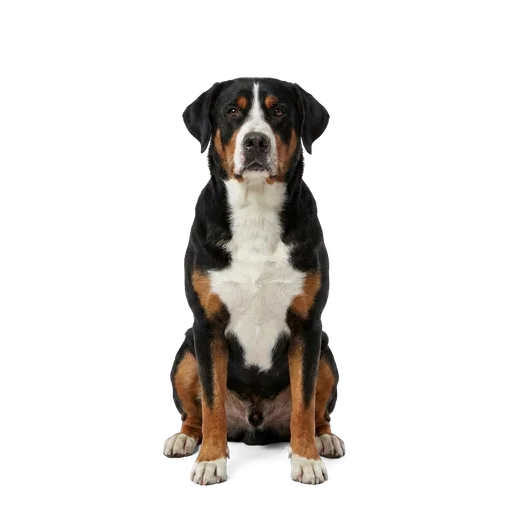
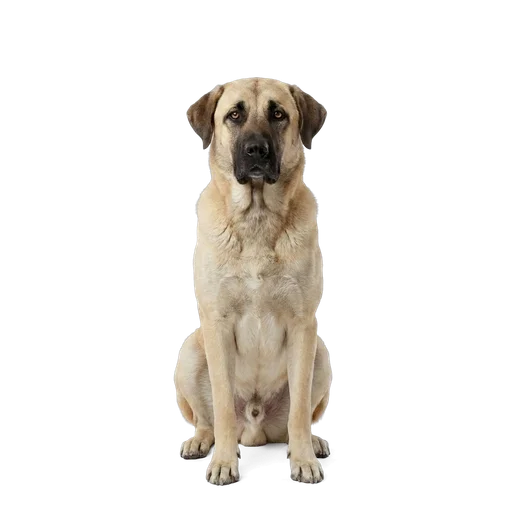
Deciding between similar breeds? Here is the Saint Bernard next to Greater Swiss Mountain Dog and Anatolian Shepherd.
| Saint Bernard | Greater Swiss Mountain Dog | Anatolian Shepherd | |
|---|---|---|---|
| Size | Large | Large | Large |
| Weight | 64-82 kg | 39-64 kg | 40-68 kg |
| Lifespan | 8-10 yrs | 8-11 yrs | 11-13 yrs |
| Activity | Calm | Calm | Calm |
| Shedding | High | High | High |
| Good with kids | Yes | Yes | Yes |
| Apartment-friendly | No | No | No |
Frequently asked questions
Do Saint Bernards really drool that much?
Yes. The loose jowls that give the breed its soft expression also hold saliva and water, so drool is part of daily life, worst after meals, drinks, and exercise. It is not something you train away. Owners keep cloths around the house and wipe the mouth and facial folds regularly to keep the skin healthy.
Are Saint Bernards good with children?
Generally very good. They are patient, calm, and tolerant, which is why they earned a nursemaid reputation. The real caution is size, not temperament. A dog this large can knock over a small child by accident, so supervise play and teach the dog not to lean or lunge while it is still a manageable puppy.
Can a Saint Bernard live in an apartment?
It is a poor fit. The issue is less exercise need, which is moderate, and more sheer bulk, shedding, drool, and heat sensitivity in a small closed space. Saints do far better in a house with a yard and cool spots to lie down. They also feel the heat badly, so an apartment without good climate control is risky in summer.
How long do Saint Bernards live?
Around 8 to 10 years, which is typical for a giant breed since larger dogs age faster than small ones. You can help by keeping the dog lean from puppyhood, feeding a giant-breed diet during growth, screening for hip and heart problems, and staying alert to the signs of bloat throughout the dog's life.
Are Saint Bernards a good breed for first-time owners?
Not usually. They are gentle and willing, but the combination of giant size, the need for early consistent training, heavy shedding, drool, and real health risks like bloat makes them demanding. A first-time owner can absolutely succeed with commitment and a good vet, but most people are better served by starting with a breed that forgives handling mistakes on a smaller scale.
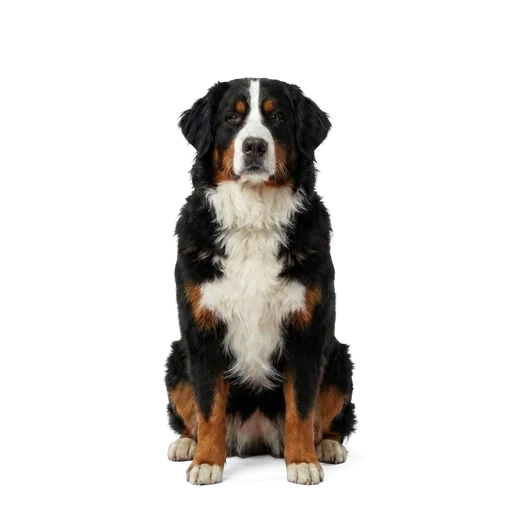
Related breeds
Health and care information is drawn from established veterinary sources and is general guidance, not veterinary advice. See our sources
Keep records for your Saint Bernard
Vaccinations, food and treat safety, allergy alerts and parasite reminders - all tracked for your Saint Bernard in the Pethls app.