

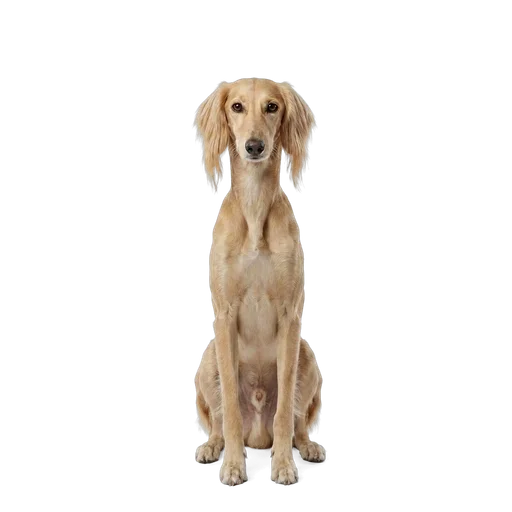
Origin: Middle East
Saluki
Get reminders for your Saluki's vaccines
Vaccination and parasite reminders, food-safety scans and health records — free to start in the Pethls app.


Good for
The Saluki is one of the oldest breeds humans have kept, a desert sighthound bred across the Middle East to course gazelle over open ground. Everything about the dog points to speed: the deep chest, the tucked waist, the long clean legs. Indoors a Saluki is a quiet, almost catlike housemate who wants a soft place to curl up and one or two people to attach itself to. Outdoors it turns into a missile. Owners describe the breed as gentle, sensitive, and independent, a dog that loves you on its own terms rather than following you around the house.
Temperament & personality
Salukis are aloof with strangers and devoted to their own family, but the devotion is understated. This is not a dog that fawns or begs for constant attention. A Saluki will often watch you from across the room, settle nearby rather than in your lap, and check in when it feels like it. That independence gets mistaken for stubbornness. It is closer to self-possession, a dog bred to make split-second decisions during a chase without waiting for a handler's cue.
Sensitivity is the trait that catches new owners off guard. Harsh corrections, raised voices, or heavy-handed training shut a Saluki down fast. They read tone and body language keenly and will simply disengage if they feel bullied. Reward-based training with short, low-pressure sessions works far better, though even then you should expect a dog that weighs whether your request is worth its while.
The prey drive is the non-negotiable part of Saluki ownership. Bred to spot and run down fast game, they will chase cats, rabbits, squirrels, and small dogs with a focus that no recall can reliably override once triggered. A Saluki at full stretch can hit close to 40 miles per hour within a few strides, among the fastest of any sighthound. That means a leash in any unfenced area and tall, secure fencing at home, ideally 6 feet or more, because they can clear low barriers with ease. Homes with cats or small pets need very careful management, and many Salukis are simply not safe with them.
With children the breed is usually gentle and tolerant, though its reserved nature means it prefers calm interaction to rough play. Salukis do best with older kids who understand that the dog wants respect and quiet company, not wrestling.
Vaccination schedule
Saluki puppies follow the standard core vaccine plan. The DHPP combination protects against distemper, hepatitis (adenovirus), parvovirus, and parainfluenza, given as a series of shots starting around 6 to 8 weeks and repeated every 3 to 4 weeks until roughly 16 weeks of age. Parvovirus in particular is a serious risk for young puppies, so keep your Saluki away from unvaccinated dogs and high-traffic dog areas until the series is finished.
Rabies is the other core vaccine and is legally required in most places. It is usually given once at 12 to 16 weeks, boosted a year later, then repeated every 1 to 3 years depending on the vaccine and local law.
Non-core vaccines depend on lifestyle. A Saluki that lure-courses at events, boards, or visits dog-heavy venues may benefit from protection against Bordetella (kennel cough), leptospirosis, or canine influenza. Your vet will weigh regional risk and how much your dog mixes with others. One practical Saluki note: these are lean, thin-skinned dogs, so ask your vet to inject into muscle or subcutaneous tissue with that in mind, and watch the injection site for the usual mild soreness that resolves in a day or two.
Best food & diet
A healthy adult Saluki is meant to look lean, with a visible waist and the last few ribs faintly showing. This throws off owners used to blockier breeds, who sometimes overfeed trying to fill the dog out. Resist that. Carrying extra weight on those fine legs and deep chest does a Saluki no favors. Feed a good-quality diet with a solid animal-protein base to support lean muscle, and adjust portions to keep the racy outline rather than a set cup measurement.
Adult Salukis usually do well on two measured meals a day. Puppies need three or four smaller meals while they grow, spread through the day to match their energy. Large-breed puppy food, or an all-life-stages diet with appropriate calcium and phosphorus levels, supports steady bone growth without pushing them too fast.
Because the breed runs so lean with very little body fat, some Salukis are picky or slow eaters, and many go off food when stressed or when a routine changes. Feeding in a calm, quiet spot helps. If your Saluki is active in lure coursing or gets long gallops, its calorie needs climb, so scale food up on heavy-exercise days. Always keep fresh water available. The deep chest also makes the breed prone to bloat (gastric dilatation-volvulus): a sudden appetite drop with a swollen, tight belly, unproductive retching, or pacing needs an emergency vet the same hour, since GDV is fatal untreated.
Common health problems
Salukis are generally hardy for a large breed and often live 12 to 14 years, but a handful of conditions show up often enough to know about. Dilated cardiomyopathy (DCM) is the most important. The heart muscle weakens and enlarges, pumping less effectively, and early signs can be subtle: reduced stamina, coughing, faster breathing, or fainting. Regular vet checks with heart listening, and echocardiograms if there is a family history or a murmur, catch it earlier when medication helps most.
Hypothyroidism is fairly common in the breed. An underactive thyroid slows the metabolism and can cause weight gain, a dull or thinning coat, skin issues, and lethargy. It is diagnosed with a blood test and managed well with a daily thyroid hormone tablet, so it is very treatable once identified.
Hemangiosarcoma, an aggressive cancer of the blood vessel lining that often strikes the spleen or heart, is seen in Salukis as in many sighthounds. It can progress silently until a sudden internal bleed causes collapse, which is one reason unexplained weakness or pale gums always warrants an urgent vet visit.
The trait every Saluki owner must flag to a vet is anesthesia sensitivity. Like other sighthounds, Salukis have very low body fat and a distinctive metabolism that changes how they process certain anesthetic and sedative drugs. Standard doses calculated for an average dog can leave a Saluki over-sedated and slow to recover. Always remind the clinic that your dog is a sighthound before any procedure, even a routine dental or spay/neuter, so they adjust the protocol and monitor closely.
Allergies & skin
Salukis have thin skin and a fine coat, so skin problems tend to be visible early. Environmental allergies (atopy) to pollens, grasses, dust mites, or mold can cause itching, licking at the paws, red skin, or recurring ear irritation. Because the coat is light, you will often spot the scratching and any rash before it gets out of hand, which is an advantage for catching flare-ups.
Food sensitivities are less common than environmental ones but do occur, usually showing as itchy skin or digestive upset rather than sneezing. If your vet suspects a food trigger, a proper elimination diet over 8 to 12 weeks using a novel or hydrolyzed protein is the way to pin it down, not guesswork with over-the-counter formulas.
The feathered variety has longer hair on the ears, legs, and tail, and those feathers can mat or collect grass seeds and debris that irritate the skin underneath. Check the feathering and the ears after outdoor runs. On a lean, thin-skinned dog, pressure sores can develop on the elbows and hips from lying on hard floors, so a well-padded bed is more than a comfort item for this breed.
Flea, tick & worm prevention
Year-round parasite prevention keeps a Saluki comfortable and protects against the diseases parasites carry. Fleas cause itching and can trigger flea-allergy dermatitis, while ticks transmit Lyme disease, anaplasmosis, and other infections, a real concern for a dog that gallops through long grass and brush. Modern flea and tick preventives come as monthly chews, monthly spot-on liquids, or longer-acting collars. Your vet will help match the product to your climate and tick load.
Worming covers intestinal parasites like roundworms, hookworms, tapeworms, and whipworms. Puppies are typically dewormed several times in their first months because they can pick worms up from their mother, then shift to a regular adult schedule. Many owners find it simplest to use a combination product that handles heartworm prevention along with intestinal worms in one monthly dose.
Heartworm deserves its own mention. Spread by mosquitoes, it is far easier and safer to prevent than to treat, and prevention is usually a monthly chewable or a periodic injection. As with any medication for this breed, dose parasite products by an accurate current weight and run any new preventive past your vet first.
Medications & dosing
With Salukis, medication is always weight-based and vet-directed. The breed's lean build (covered under common health problems) means doses that suit a fatter, blockier dog of the same weight can hit a Saluki harder, so precision matters. Never guess a dose, never split a medication meant for another pet, and never reach for a human painkiller, since many, including ibuprofen and paracetamol, are toxic to dogs.
The single most important conversation is about anesthesia and sedation. Remind the clinic your dog is a sighthound before any procedure that needs sedation, from a dental cleaning to surgery, so a vet who knows the breed can pick suitable agents and doses.
Two more practical points. Salukis feel the cold: with a thin coat and no fat padding, they chill quickly in winter or after a cold-water soaking, and a shivering, lethargic dog can be genuinely uncomfortable, so a coat in cold weather is sensible rather than fussy. And if your Saluki is ever prescribed long-term medication for something like hypothyroidism or a heart condition, keep to the exact schedule and dose, and check with your vet before stopping or changing anything.
Grooming & coat care
Grooming a Saluki is refreshingly low-effort. The smooth variety has a short, silky coat that needs little more than a weekly once-over with a soft brush or grooming mitt to keep it clean and glossy. Shedding is light and manageable, nothing like the seasonal blowouts of a double-coated breed, so this is a good pick for anyone who wants a large dog without carpets full of hair.
The feathered variety carries longer, finer hair on the ears, backs of the legs, and tail. Those feathers benefit from a gentle comb once or twice a week to prevent tangles and mats, especially behind the ears and on the trousers where debris collects. It is still not a demanding coat, just a little more attention than the smooth type.
Round out the routine with the basics. Trim nails every few weeks, since long nails change how those long legs load and can cause discomfort. Check and gently clean the ears, particularly on feathered dogs whose ear hair traps moisture. Brush the teeth regularly to head off dental disease. Baths are only needed occasionally, when the dog is genuinely dirty, because over-bathing strips the natural oils from that fine coat and thin skin.
How the Saluki compares
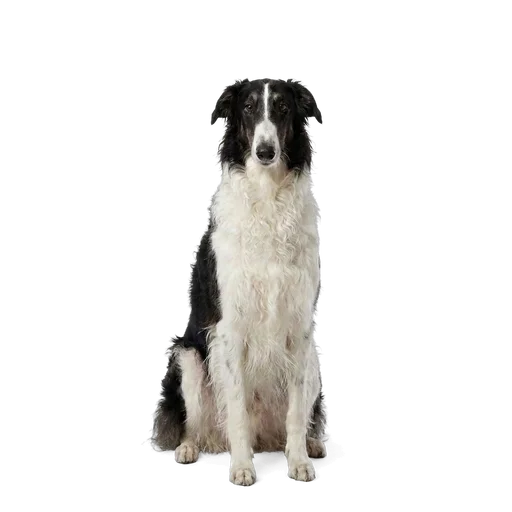
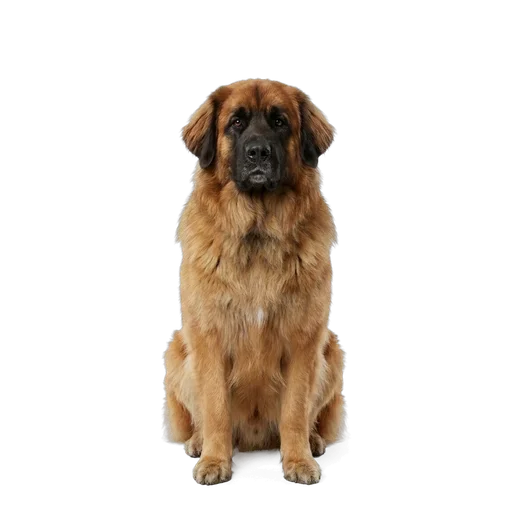
Deciding between similar breeds? Here is the Saluki next to Borzoi and Leonberger.
| Saluki | Borzoi | Leonberger | |
|---|---|---|---|
| Size | Large | Large | Large |
| Weight | 16-29 kg | 27-48 kg | 45-77 kg |
| Lifespan | 12-14 yrs | 9-14 yrs | 7-9 yrs |
| Activity | Moderate | Moderate | Moderate |
| Shedding | Low | Medium | High |
| Good with kids | Yes | Yes | Yes |
| Apartment-friendly | No | No | No |
Frequently asked questions
Can a Saluki be let off the leash?
Only inside a fully fenced, secure area. Salukis were bred to spot and chase fast game, and once that instinct fires, recall becomes unreliable, no matter how well trained the dog is. In any open or unfenced space, keep your Saluki on a leash. For off-leash running, use a securely fenced field or a dog sport like lure coursing that channels the drive safely.
Are Salukis good for first-time dog owners?
They are a challenging first breed. Salukis are sensitive, independent, and need a handler who understands sighthounds, patient reward-based training, and strict leash and fencing discipline. A beginner who does the homework and respects the breed's nature can succeed, but this is not an easy, biddable starter dog like a retriever.
How much exercise does a Saluki need?
Salukis need a real chance to run, not just walk. Aim for a couple of good outings a day with opportunities to gallop safely in a fenced area, plus regular leashed walks. Once they have had their run, most are calm, quiet couch dogs at home. A Saluki with no outlet for its speed can become restless and frustrated.
Why do I need to tell the vet my Saluki is a sighthound?
Sighthounds like Salukis have very low body fat and metabolize certain anesthetic and sedative drugs differently from other breeds. Standard doses can leave them over-sedated and slow to recover. Telling the vet before any procedure that needs sedation lets them choose safer drugs and doses and monitor recovery more closely.
Do Salukis get cold easily?
Yes. With a thin coat and almost no body fat, Salukis lose heat quickly and are uncomfortable in cold or wet weather. A well-fitted coat for winter walks and a warm, padded bed indoors are practical necessities for this breed rather than luxuries.
Related breeds
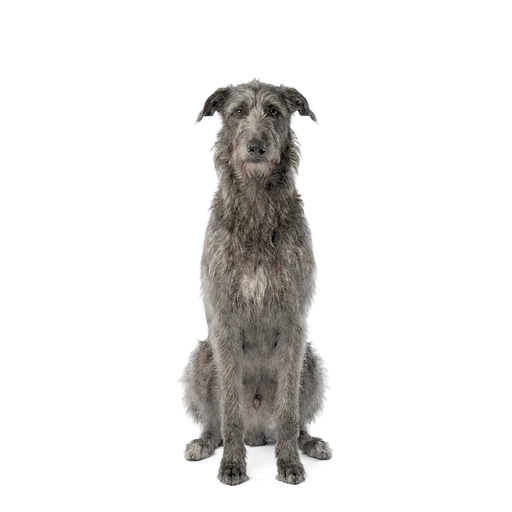
Health and care information is drawn from established veterinary sources and is general guidance, not veterinary advice. See our sources
Keep records for your Saluki
Vaccinations, food and treat safety, allergy alerts and parasite reminders - all tracked for your Saluki in the Pethls app.