

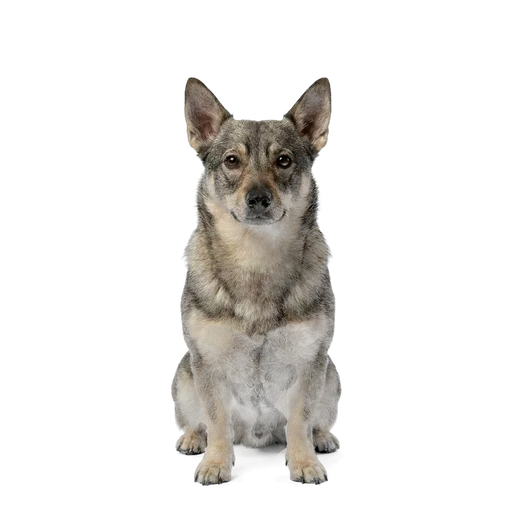
Origin: Sweden
Swedish Vallhund
Get reminders for your Swedish Vallhund's vaccines
Vaccination and parasite reminders, food-safety scans and health records — free to start in the Pethls app.


Good for
The Swedish Vallhund is often called the Viking corgi, and the nickname fits: a long, low, sturdy cattle herder from Sweden with roots that likely reach back to the Viking era, when spitz-type herding dogs were traded between Scandinavia and the British Isles. At 9 to 16 kg, this is a small dog with a big-dog attitude, cheerful and clever with a distinctive habit of talking back. Vallhunds typically live 12 to 15 years and stay playful well into old age. They suit active families who enjoy a dog that joins in everything, though the long back means owners need to keep weight down and jumping in check.
Temperament & personality
A Vallhund wakes up ready to work. These dogs herded cattle on Swedish farms for centuries, and that history shows in their alertness, quick thinking, and drive to be involved in whatever the family is doing. Expect a shadow that follows you from room to room, offers a running commentary of barks, yodels, and grumbles, and learns new tricks faster than you can invent them.
They are famously vocal. Herding cattle required a loud voice, and the modern Vallhund still uses it freely, announcing visitors, squirrels, and interesting smells. Early training with a quiet cue helps, but a silent Vallhund is rare. Apartment dwellers can make it work with enough exercise and bark training, though it takes real commitment.
With children they tend to be patient and playful, and most get along well with other dogs and cats they were raised with. Some individuals try to herd small kids by nipping at heels, a habit worth redirecting early with a toy or a job. Daily exercise matters: a bored Vallhund invents projects, and you will not like most of them.
Vaccination schedule
Vallhund puppies follow the standard canine core schedule. The DHPP combination vaccine, covering distemper, hepatitis (adenovirus), parainfluenza, and parvovirus, starts at 6 to 8 weeks of age and repeats every 3 to 4 weeks until the pup is at least 16 weeks old. That usually means three or four visits. The series matters because maternal antibodies fade at unpredictable times, and a gap leaves the puppy exposed to parvo in particular.
Rabies is given once between 12 and 16 weeks, depending on local law, with a booster at one year. After the first adult booster, most vets move rabies and DHPP to a one-year or three-year cycle based on the licensed vaccine and regional rules. Keep the certificate handy; boarding kennels and groomers will ask for it.
Talk to your vet about lifestyle vaccines too. A Vallhund that hikes, herds, or swims in rural areas is a good candidate for leptospirosis coverage, and dogs that attend daycare or dog sports benefit from bordetella. Keep a written record of the full history and set a reminder on your phone before each booster comes due.
Best food & diet
Weight control is the single most important dietary goal for this breed. The Vallhund's long spine and short legs make extra kilos genuinely dangerous, loading the discs between vertebrae and raising the risk of back injury. Feed a measured amount of a complete diet twice daily, and check ribs weekly: you should feel them easily under a thin fat cover. Most healthy adults in this breed's 9 to 16 kg range eat somewhere between about 300 and 600 kcal a day, adjusted for activity, with lighter or less active dogs at the low end.
Choose a food formulated for small to medium active breeds, with a named animal protein first on the label. Puppies should stay on puppy food until about 10 to 12 months. Because Vallhunds are food-motivated and excellent beggars, count training treats inside the daily ration rather than on top of it; a good rule is treats at no more than ten percent of calories.
Joint-support nutrients such as omega-3 fatty acids (EPA and DHA from fish oil) are a sensible addition for a breed prone to hip dysplasia and disc disease, ideally from a diet that already includes them. Skip table scraps. A 12 kg dog gains weight on shockingly little extra food, and a slice of buttered toast is a meaningful calorie bomb at this size.
Common health problems
The headline concern is a breed-specific form of progressive retinal atrophy, a retinopathy that slowly degrades night vision and can progress to blindness, often later in life than PRA in other breeds. A DNA test identifies carriers, so ask any breeder for test results on both parents. Affected dogs usually adapt remarkably well to vision loss, but you want to know early; annual eye exams with a veterinary ophthalmologist catch changes before you notice them at home.
Hip dysplasia occurs in the breed despite the small size. Reputable breeders screen hips through OFA or equivalent schemes. In pet dogs, signs include bunny-hopping, reluctance on stairs, or stiffness after rest. Caught early, it is managed with weight control, controlled exercise, and anti-inflammatory medication; severe cases have surgical options.
Intervertebral disc disease (IVDD) is the risk that comes with the dwarf body shape. Discs can bulge or rupture, causing anything from back pain to sudden hind-limb paralysis. Prevention is practical: keep the dog lean, use ramps or steps for furniture and cars, discourage leaping off beds, and use a harness rather than a collar for leash walks. Sudden yelping, a hunched back, wobbliness, or dragging toes is an emergency; disc surgery has the best outcomes within the first 24 to 48 hours.
Allergies & skin
Vallhunds are not a hypoallergenic breed. The thick double coat sheds heavily, and shed hair carries the dander and saliva proteins that trigger human allergies, so allergy sufferers should spend time with an adult Vallhund before committing.
The breed itself has fairly hard-wearing skin, but individual dogs can occasionally develop environmental allergies (atopic dermatitis) to pollens or dust mites. Watch for paw licking, ear infections that keep coming back, and scratching around the armpits and belly, usually starting between one and three years of age. Flea allergy dermatitis is another common itch driver; a single bite can set off a sensitive dog, which is one more argument for year-round flea prevention.
Food allergies are less common than owners assume but do occur, usually showing as itchy skin or chronic ear and anal gland trouble rather than digestive upset. A proper elimination diet trial of eight to twelve weeks, run with your vet, is the only reliable test. Note down flare-ups, suspect foods, and treatments so you and your vet can spot seasonal patterns.
Flea, tick & worm prevention
A dog bred to work outdoors will find every tick in the county. Use a year-round flea and tick preventive, either a monthly topical or an oral chewable from the isoxazoline class; many owners of dense-coated breeds prefer chewables because thick fur makes topicals fiddly to apply to skin and spot-checking for ticks harder. After hikes in long grass, run your hands over the dog and check ears, armpits, and between toes.
Worming follows the standard canine protocol. Puppies are dewormed every two weeks from two weeks of age until twelve weeks, then monthly until six months. Adults are covered either by a monthly broad-spectrum preventive or by deworming based on fecal tests every six to twelve months. In heartworm regions, monthly heartworm prevention is non-negotiable, and dogs that hunt rodents or scavenge need regular tapeworm treatment with praziquantel.
All preventives are dosed by weight, and a Vallhund's 9 to 16 kg range usually spans two different product bands. Weigh the dog rather than guessing, especially between six and eighteen months when they are still filling out. Set repeating reminders on your phone; a missed month is the most common reason prevention fails.
Medications & dosing
Every medication your Vallhund receives should be dosed against a current, accurate weight and prescribed or approved by your vet. The spread within this breed is wide: a 9 kg female and a 16 kg male need meaningfully different amounts of the same drug, and preventive products often put them in different weight bands entirely. Weigh your dog at least twice a year, and before any new prescription.
Never give human painkillers. Ibuprofen and naproxen are toxic to dogs at doses people consider tiny, and paracetamol (acetaminophen) has a narrow safety margin. If your Vallhund seems painful, particularly with any hint of back pain, call the vet instead of the medicine cabinet; masking disc pain with the wrong drug can delay treatment during the window when it matters most.
For dogs on long-term medication, such as NSAIDs for hip arthritis or eye drops for retinal disease monitoring, keep a written schedule and note doses as you give them. Record each medication with its strength, dose, and time, and set a shared reminder so the whole household is aware and the dog is neither missed nor double-dosed.
Grooming & coat care
The Vallhund wears a weatherproof double coat: a harsh outer layer over dense, soft undercoat. It needs no trimming and very little styling, which keeps routine grooming demands low. A thorough brush once or twice a week with a slicker brush and an undercoat rake keeps the coat healthy and pulls out dead hair before it lands on your sofa.
Shedding is the honest cost of this breed. Twice a year, typically spring and autumn, the undercoat blows out in dramatic quantities for two to four weeks, and daily raking plus a warm bath with a forced-air dry will shorten the misery. Between coat blows, expect steady moderate shedding year round. Never shave a double coat; it wrecks the insulation that keeps the dog cool in summer and warm in winter, and it often grows back patchy.
Round out the routine with nail trims every three to four weeks (active dogs wear nails down somewhat, but rarely enough), weekly ear checks, and daily or at least frequent tooth brushing. Bathe only when actually dirty, perhaps every two to three months, since over-washing strips the coat's natural water resistance.
How the Swedish Vallhund compares
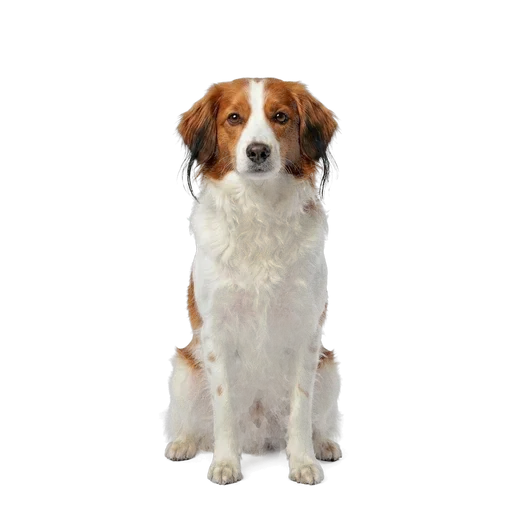
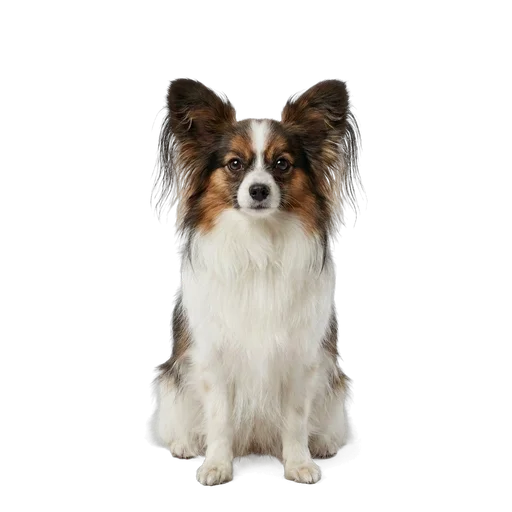
Deciding between similar breeds? Here is the Swedish Vallhund next to Nederlandse Kooikerhondje and Papillon.
| Swedish Vallhund | Nederlandse Kooikerhondje | Papillon | |
|---|---|---|---|
| Size | Small | Small | Small |
| Weight | 9-16 kg | 9-16 kg | 3-5 kg |
| Lifespan | 12-15 yrs | 12-15 yrs | 14-16 yrs |
| Activity | Active | Active | Active |
| Shedding | High | Medium | Low |
| Good with kids | Yes | Yes | Yes |
| Apartment-friendly | Yes | Yes | Yes |
Frequently asked questions
Is the Swedish Vallhund related to the corgi?
They are probably distant relatives. Historians debate whether Vikings brought Vallhunds to Wales or took corgi ancestors home to Sweden, but the two breeds developed separately for centuries. Compared with the corgi, the Vallhund stands a little taller on the leg, has a wolf-like sable coat, and can be born with anything from no tail to a full curl.
Do Swedish Vallhunds bark a lot?
Yes, and honestly there is no fully quiet version. They were bred to move cattle with their voice and remain chatty, alert-barking dogs. Consistent training of a quiet cue, plenty of exercise, and rewarding calm behavior all reduce it, but a would-be owner who needs silence should look at other breeds.
How much exercise does a Vallhund need?
Plan on at least an hour of real activity daily: brisk walks, fetch, hiking, or dog sports like agility, herding trials, and nosework. Mental work matters as much as mileage for this clever breed. Just keep jumping heights low and avoid repetitive stair sprints to protect the long back.
What is the Vallhund DNA test for eyes?
It screens for the breed-specific retinopathy, a form of progressive retinal atrophy found only in Swedish Vallhunds. Breeders use it to avoid producing affected puppies, so ask to see results for both parents. Owners of untested adults can order the test through their vet and pair it with annual ophthalmologist exams.
Are Swedish Vallhunds good family dogs?
For active households, they are excellent: sturdy, playful, affectionate, and patient with respectful children. They tend to do well with other family pets too. The trade-offs are noise, heavy seasonal shedding, and an energy level that punishes a sedentary lifestyle.
Related breeds
Health and care information is drawn from established veterinary sources and is general guidance, not veterinary advice. See our sources
Keep records for your Swedish Vallhund
Vaccinations, food and treat safety, allergy alerts and parasite reminders - all tracked for your Swedish Vallhund in the Pethls app.